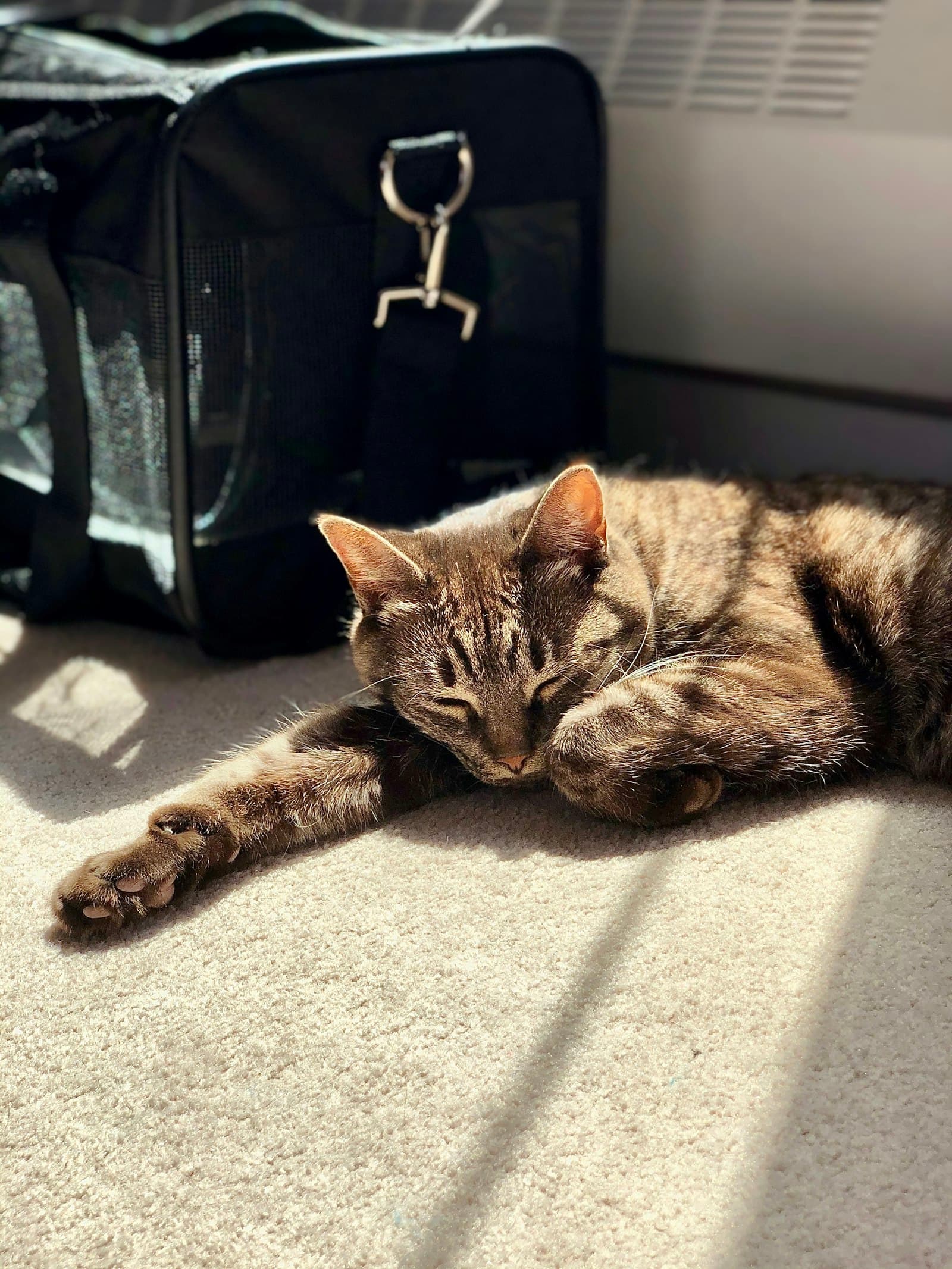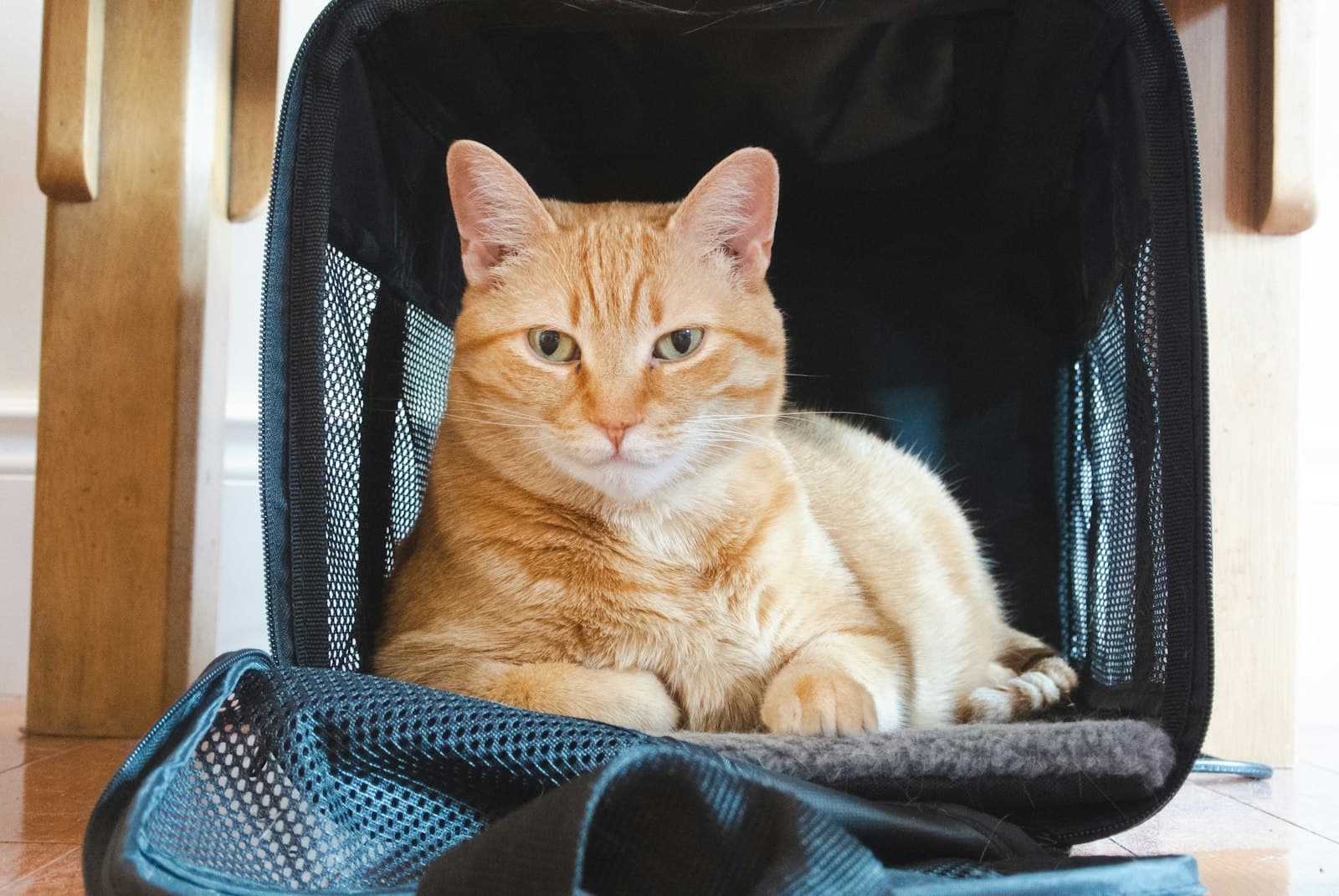
A lot of the expats who write to Cat's Club Benidorm are on the move. They've adopted a cat here on the Costa Blanca and now they're heading back to the UK, spending the summer elsewhere, or relocating for work, and they want to take the cat with them. Fair enough, that cat is family. The question is nearly always the same: what do I actually need to get my cat out of Spain? The honest answer is that the paperwork is manageable if you start early, but there are a couple of deadlines you simply cannot skip. This guide is written for people living in Benidorm, l'Alfàs del Pi, Altea and the villages around La Marina Baixa who want to travel within the EU or take a cat back to the UK. It doesn't replace your vet, who is the person who actually signs the documents, but it should help you walk into the surgery already knowing what you're asking for.
The EU pet passport: what it is and who can get one
The EU pet passport is the standard, mandatory document for travelling with a cat between EU countries. It's a small blue booklet with the European emblem on the front, and your vet fills it in with your cat's details and vaccination history. Only authorised vets can issue one, and only to owners who are resident in the EU. If your residency here in Spain is sorted, this is the normal route for you.
The first thing your cat needs is a microchip. It's compulsory in Spain anyway, so your cat almost certainly already has one. Every cat we rehome leaves microchipped, vaccinated, neutered and FIV/leukaemia tested. The vet scans the chip before anything else, because the passport is tied to that chip number. No readable chip, no passport. And mind the order: the chip has to go in before the rabies jab. If your cat is vaccinated first and chipped afterwards, that vaccination doesn't count for travel and has to be done again. If you adopted with us it's already sorted, but if you're chipping and vaccinating in one visit, remind your vet.
The rabies jab and the 21-day rule
This is where people come unstuck. To travel within the EU your cat needs a valid rabies vaccination, and there are two non-negotiable conditions. The jab can only be given from 12 weeks of age. And once the first dose goes in, you have to wait a full 21 days before you cross a border.
Do the maths. If you have your cat vaccinated against rabies for the first time tomorrow, you can't travel for another three weeks. So when someone tells us they're moving "in a fortnight", the first thing we ask is whether the cat's rabies is already up to date. If it's current, there's no wait. If it's the first jab, count those 21 days from the date of the vaccination, not from the day you get the passport. Stick it in the calendar and work backwards from your travel date.
Taking a cat from Spain to the UK
Plenty of our readers are British, so let's be blunt about this one, because there's a lot of confusion flying around. If you're taking a cat you adopted here back to Great Britain, it can travel on the EU pet passport issued in Spain. The UK still accepts it as a valid entry document. Your cat needs the microchip and a valid rabies vaccination, and that's it. You do not need to pay for an Animal Health Certificate.
The AHC is a real thing, but it's for the opposite journey: it's what someone living in Great Britain needs when taking their pet out to the EU. A vet issues it within ten days of travel and it covers a single trip. And the other one we get asked constantly: cats do not need tapeworm treatment to enter Great Britain, that requirement is for dogs only. Rules do get revised, so check with your vet and on the official UK government guidance before you book any transport.
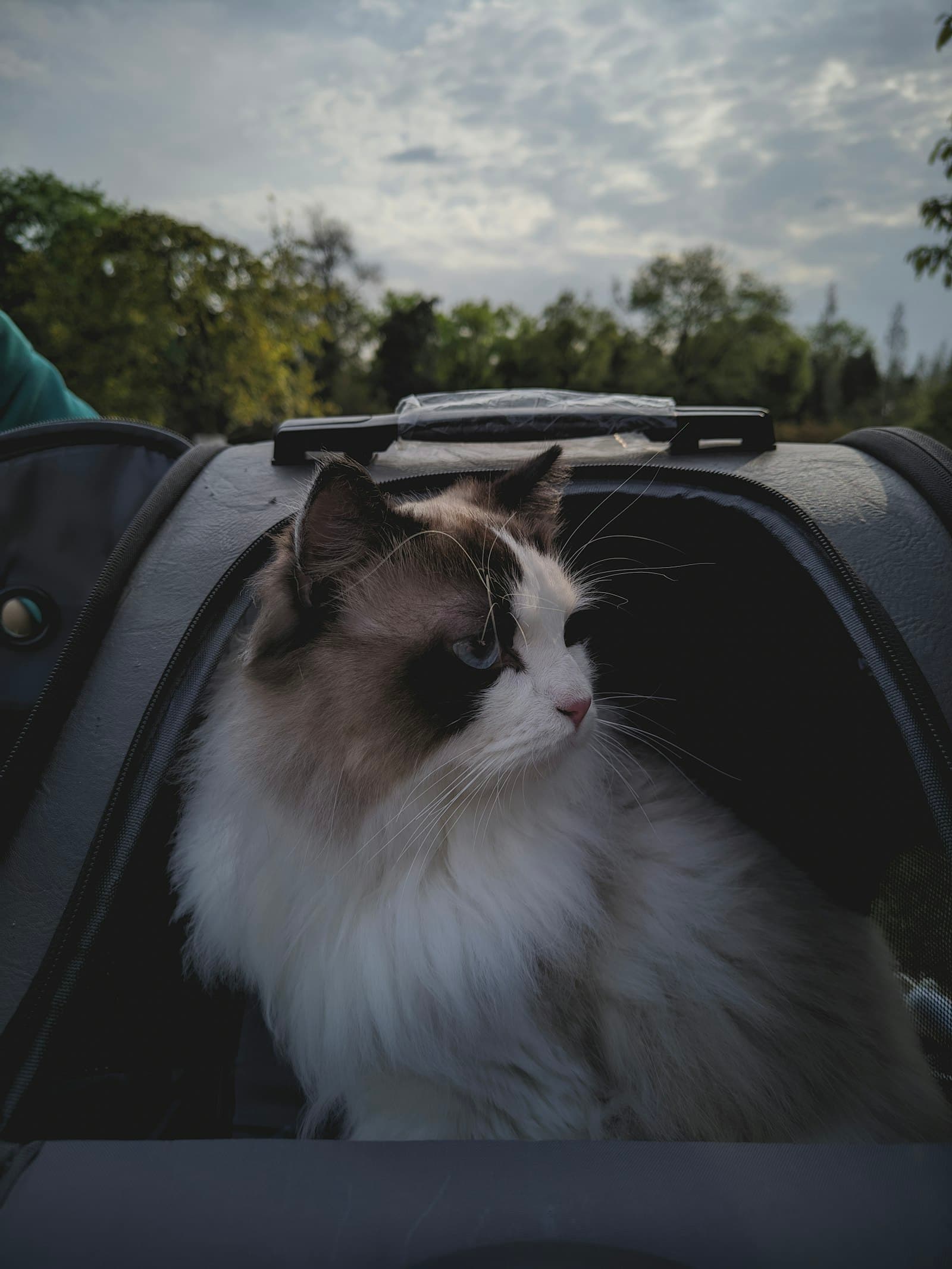
The journey itself: carrier, car and heat
Paperwork is only half the job. The other half is getting your cat there calm and in one piece. A solid, well-ventilated carrier with a blanket or a worn T-shirt that smells of home inside it does more than any tablet. Leave the carrier open in the living room for a few days beforehand so the cat wanders in and out on its own terms, rather than being shoved in on the day.
If you're driving in the middle of a Costa Blanca summer, heat is the real danger. Never, ever leave a cat in a parked car, not even for a minute. A car in the sun here becomes an oven within minutes, and that kills. Travel early morning or in the cool of the evening, keep the air conditioning on without blasting it straight at the carrier, and offer water at stops. For long flights, talk to your vet well in advance. Some suggest pheromone products or, in specific cases, something for anxiety, but that's a call for the person who knows your cat.
Bringing the stress down before you leave
Cats are territorial, and a move breaks all their routines at once. In the weeks beforehand it helps to keep mealtimes steady, avoid switching litter or food right before the trip, and have their usual blanket to hand. A pheromone diffuser at home in the run-up settles the atmosphere. When you arrive, set the cat up in one room first, with litter tray, water and somewhere to hide, before giving them the run of the place. Don't expect them to take on a whole new home on day one.
- Check the microchip is registered and scans cleanly.
- Confirm rabies: date of last dose and whether it's still valid.
- If it's the first rabies jab, count 21 days before you can travel.
- Book your vet for the EU pet passport (it works for entry to Great Britain too).
- Get the cat used to the carrier days in advance.
- Avoid travelling during the hottest hours in summer.
One last thing we always bang on about: whether your cat travels or stays, protected windows and balconies are not optional. Moving disorientates any cat, and a stressed animal in an unfamiliar flat with an open terrace is an accident waiting to happen. Cats do fall, and they fall badly. Get firm netting or screens on every window and balcony from your very first day in the new place.
Frequently asked questions
Do I need a pet passport to travel with my cat inside the EU?+
Yes. The EU pet passport is mandatory for moving a cat between EU countries. It's issued by an authorised vet, only to EU residents, and your cat must be microchipped and have an up-to-date rabies vaccination.
How long after the rabies jab can my cat travel?+
The rabies vaccine can only be given from 12 weeks of age, and you then have to wait a full 21 days before crossing a border. If your cat's rabies is already current and valid, there's no waiting period.
Can I take my cat from Spain to the UK on an EU pet passport?+
Yes. Great Britain accepts an EU pet passport issued in Spain as a valid entry document, as long as your cat is microchipped and its rabies vaccination is in date. You do not need an Animal Health Certificate (AHC) — that's for pets travelling from Great Britain to the EU. Cats don't need tapeworm treatment either, that's dogs only. Always check the current rules on the UK government website before booking.
How do I keep my cat calm during the journey?+
Get them used to the carrier days ahead, put something that smells of home inside, keep food and litter routines steady, and use a pheromone diffuser. In summer travel in the cool hours and never leave the cat in a parked car.
If you adopted with us and you're facing a move, get in touch and we'll help where we can. And if you're staying in the area and want to make a real difference, our biggest need is still people who'll open their homes: without foster places, there are no rescues. Becoming a foster home, adopting, or chipping in with a donation is what keeps us pulling cats off the streets of La Marina Baixa.