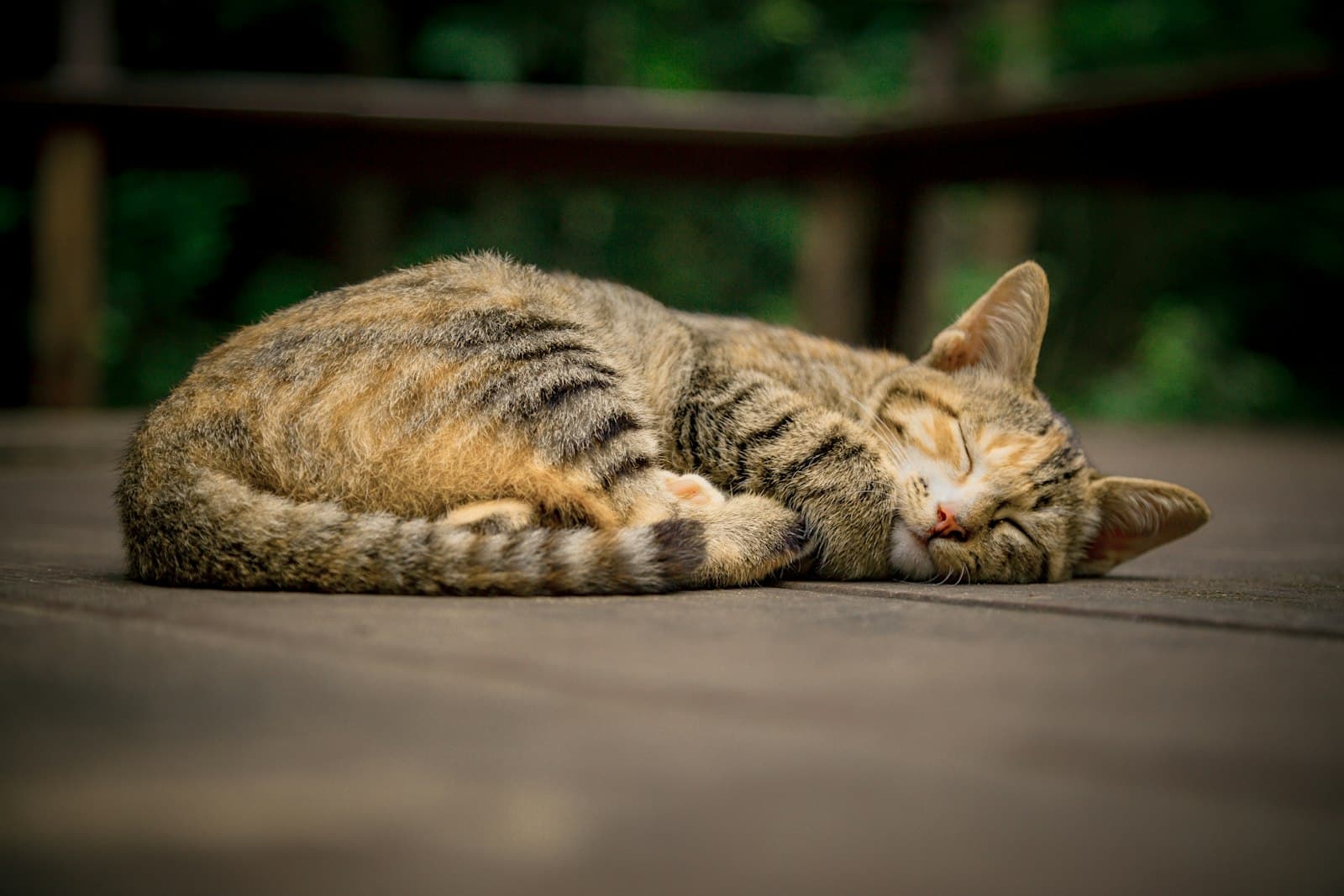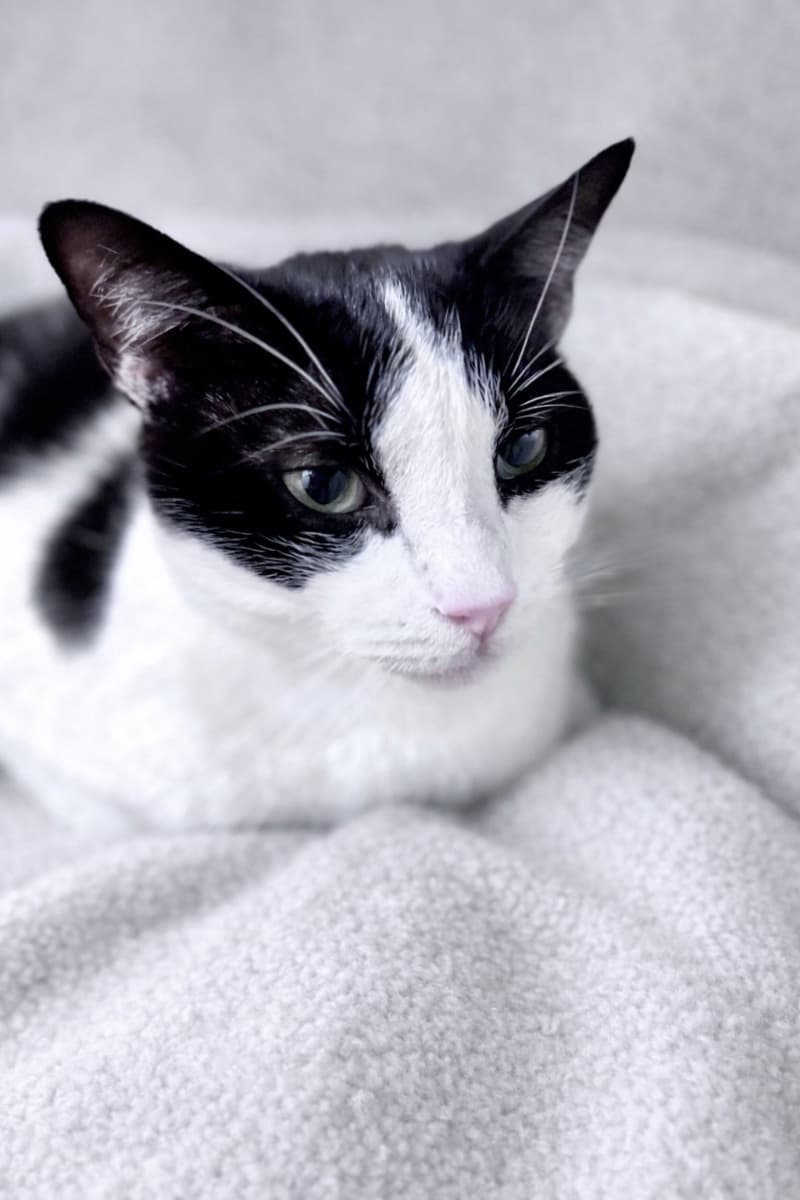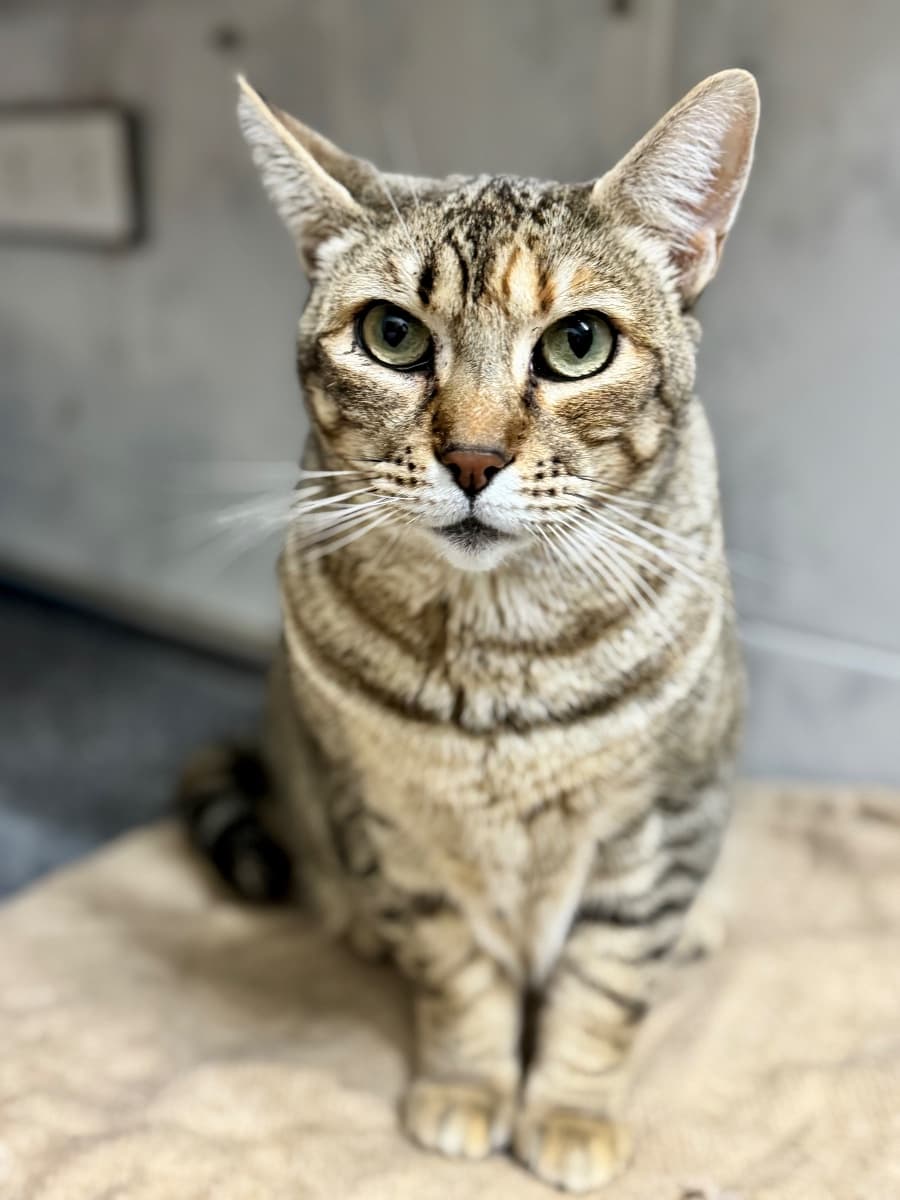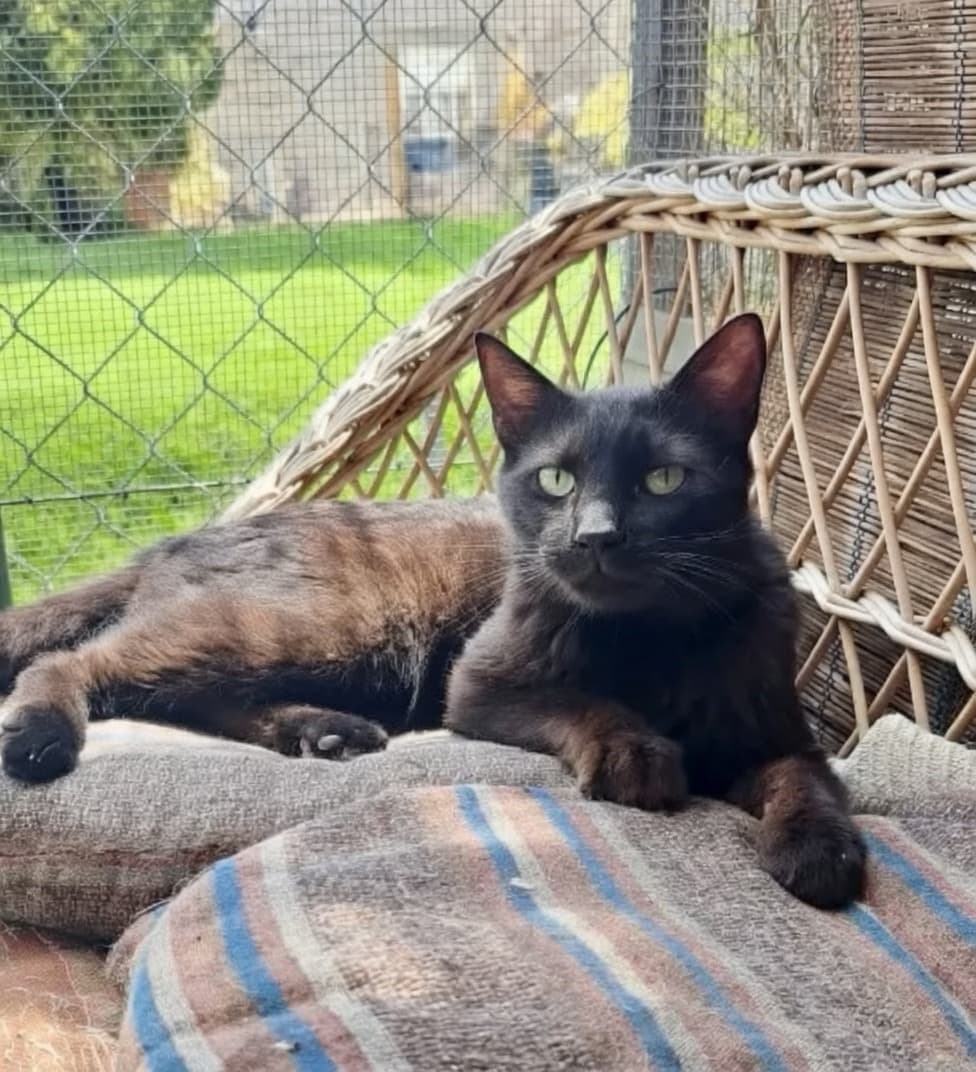
Anyone who has spent a summer in Benidorm knows the score: by July the heat arrives and simply does not let up. Flat terraces turn into ovens, the nights barely cool down, and cats, who carry it all with that unbothered air of theirs, suffer far more than they let on. At Cat's Club Benidorm we see it every year. So here is our honest, no-panic guide to keeping your cat safe when the Costa Blanca sun is at its worst. Cats do not sweat the way we do. They shed heat mainly through their paw pads and by panting, and by the time a cat is panting it is usually already in trouble. Heatstroke can take a cat from mild discomfort to a genuine emergency within minutes. The good news is that most close calls are easy to prevent with a few simple habits.
Why a Costa Blanca summer is so hard on cats
The number on the thermometer only tells part of the story. What really wears a cat down is weeks of relentless heat, the high coastal humidity, and nights that never quite cool off. In l'Alfàs del Pi, Altea or La Nucia, plenty of people live in flats with south or west-facing terraces where the tiles and glass soak up heat all afternoon. A cat shut out on one of those terraces at four in the afternoon is in real danger.
Cats are also creatures of habit. If your cat's favourite napping spot was that lovely sunny corner all through winter, it will keep heading there in August even when the spot has become unbearable. Part of protecting your cat is gently steering it somewhere cooler.
Signs of heatstroke in a cat
Heatstroke is harder to spot in a cat than in a dog, because cats hide how they feel. Learn the warning signs and act the moment you see the first one:
- Panting or open-mouth breathing. In a cat this is almost never normal and should be treated as a serious red flag.
- Drooling, with gums and tongue that look very red, or alternatively very pale.
- Lethargy, lying flat on its side, struggling to get up or barely responding.
- A racing heartbeat, trembling or wobbly, uncoordinated movement.
- In severe cases: vomiting, disorientation, seizures or collapse.
If your cat is panting, do not wait to see whether it passes. Panting in a cat is already a reason to act. A cat's normal body temperature sits around 38 to 39 degrees; anything above 40 is an emergency.
Prevention: what actually works
Most cases of heatstroke are headed off with routine and common sense. These are the steps we ask all our adoptive families to follow:
- Plenty of fresh water in several spots around the home. Many cats prefer moving water, so a pet fountain can encourage them to drink more.
- Shade on tap. Drop the blinds during the hottest hours and leave cool spots, like the tiled bathroom or hallway floor, where your cat can stretch out.
- Cross-ventilation when it is cooler, in the early morning and late evening. If you use a fan, do not aim it straight at the cat and make sure it can move away.
- Never leave a cat trapped on a closed or glazed terrace in the sun. In August these reach lethal temperatures very quickly. It is one of the worst situations we come across.
- Take care not to shut your cat in a small unventilated room, in the car (not even for a minute), or in a carrier left in the sun on the way to the vet.
- Smaller, fresher meals; wet food adds useful extra moisture.
- Regular brushing for long-haired cats to thin out the coat. There is no need to shave a healthy cat unless your vet advises it.
And a reminder we give all year round: window and balcony protection matters for more than the heat. We open up more in summer, and a cat that leans out or jumps can fall. So-called high-rise syndrome is real; cats really do fall and are badly hurt. At Cat's Club, secured windows and balconies are a standing condition of adoption for exactly this reason.

Cats most at risk
Not every cat copes the same way. Keep a closer eye on:
- Senior cats and very young kittens, who regulate their temperature less well.
- Flat-faced (brachycephalic) breeds such as Persians and Exotics: that short nose makes breathing and cooling down much harder, and they are usually the first to struggle.
- Overweight cats and those with heart or breathing problems.
- Long-haired cats and those with dark coats.
If your cat falls into any of these groups, be especially strict about shade and water on heatwave days.
What to do if your cat has heatstroke
If you suspect heatstroke, every minute counts. While you ring the vet, start cooling your cat down sensibly:
- Move it straight away to a cool, shaded, well-ventilated spot.
- Cool it with tepid or cool water, NEVER iced water or ice. A sudden chill is dangerous. Dampen the paws, belly and groin with cloths.
- Offer fresh water to drink, but do not force it.
- A gentle fan over the damp fur helps bring the temperature down.
- Phone your emergency vet on the way. Even if your cat seems to perk up, heatstroke can cause internal damage that only a check-up will reveal.
Do not give any medication off your own bat, and do not sit and wait to see how things go. Genuine heatstroke is a veterinary emergency, just as it would be for a person.
Frequently asked questions
How do I know if my cat has heatstroke?+
The clearest signs are panting or open-mouth breathing (very unusual in a healthy cat), drooling, very red or very pale gums, lethargy, trembling and, in severe cases, vomiting or disorientation. If your cat is panting in the heat, treat it as an emergency and call the vet.
What temperature is dangerous for a cat?+
A cat's normal body temperature is 38 to 39 degrees, and above 40 means heatstroke. As for surroundings, the risk soars in closed terraces, cars or unventilated rooms during the hottest part of a Costa Blanca summer, easily over 35 degrees.
Can I put ice or very cold water on my cat?+
No. Use tepid or cool water on the paws, belly and groin. Iced water or ice causes a sudden chill that constricts blood vessels and makes things worse. The aim is to bring the temperature down gradually on the way to the vet.
Is it dangerous to leave my cat on the terrace in summer?+
If the terrace is closed or glazed and catches the sun, yes, very. It can reach lethal temperatures within a short time. Never leave a cat trapped on a sunny terrace, and always make sure it has shade and a way back inside.
Which cats struggle most with the heat?+
Older cats, kittens, flat-faced breeds like Persians, overweight cats or those with heart problems, and long-haired or dark-coated cats. With these, be extra careful about shade, ventilation and water during heatwaves.
Cat's Club is a small team of volunteers, and we run entirely on a network of foster homes. Every summer, caring for rescued cats gets that bit harder, and without foster homes there are no rescues. If you have a cool corner at home and the will to help, fostering is the most direct way to save a life. Get in touch and we will talk you through it. And if you cannot foster this summer, adopting, donating, or simply sharing this guide with your neighbours all make a real difference too.