At Cat's Club Benidorm we say it at every single adoption, and not because we enjoy nagging: before a cat moves into your home, the windows and balcony need protecting. For us it is a condition, not a quirk. We have watched too many summers turn a quiet afternoon into an emergency vet trip. We know the word netting puts a lot of people off, especially if you rent or live in a block where the comunidad keeps an eye on anything that touches the facade. So here is what actually works, what comes off without a trace, and how to protect the flat without losing your balcony or the chance to air the place through when the heat hits.
Why it matters: cats really do fall
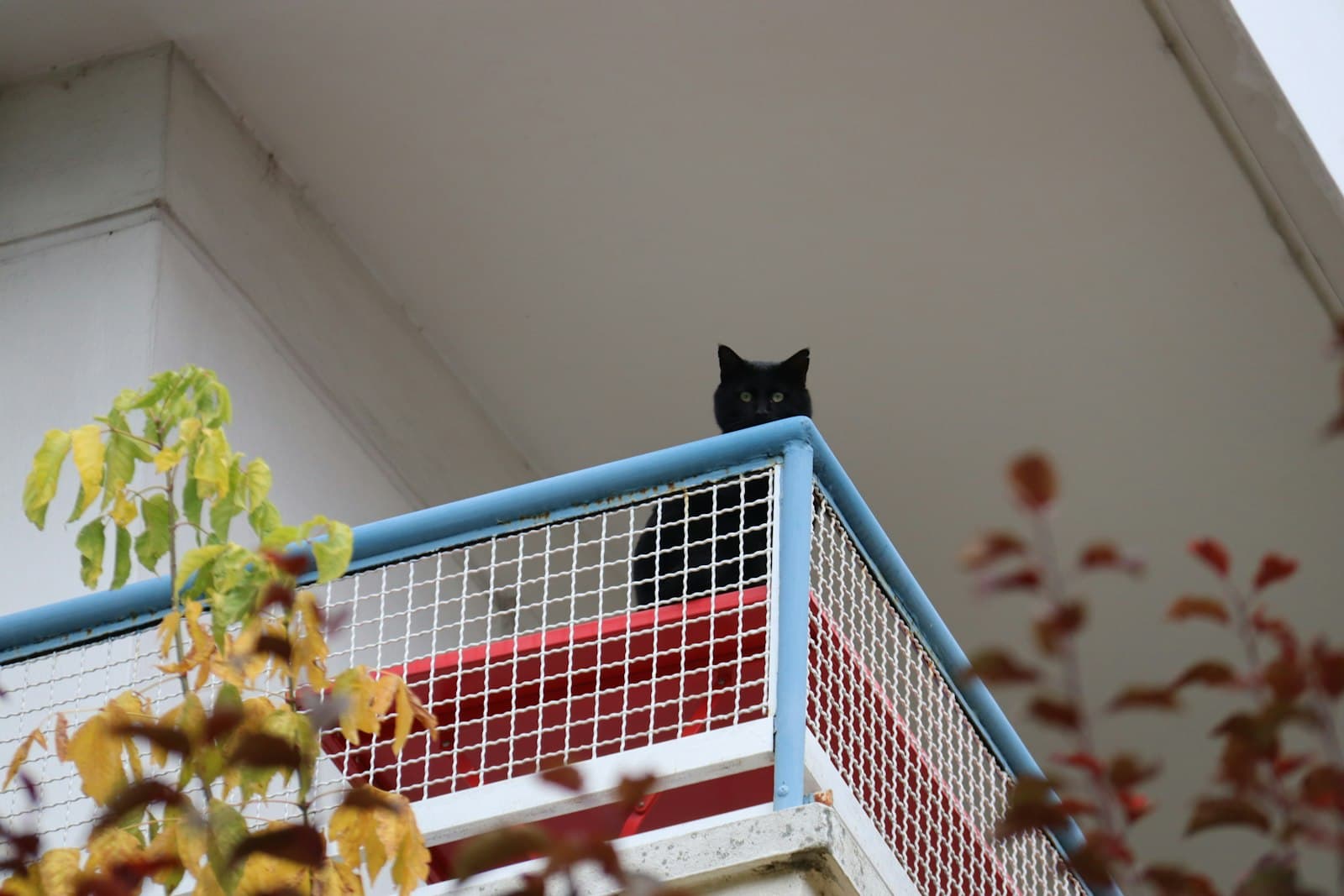
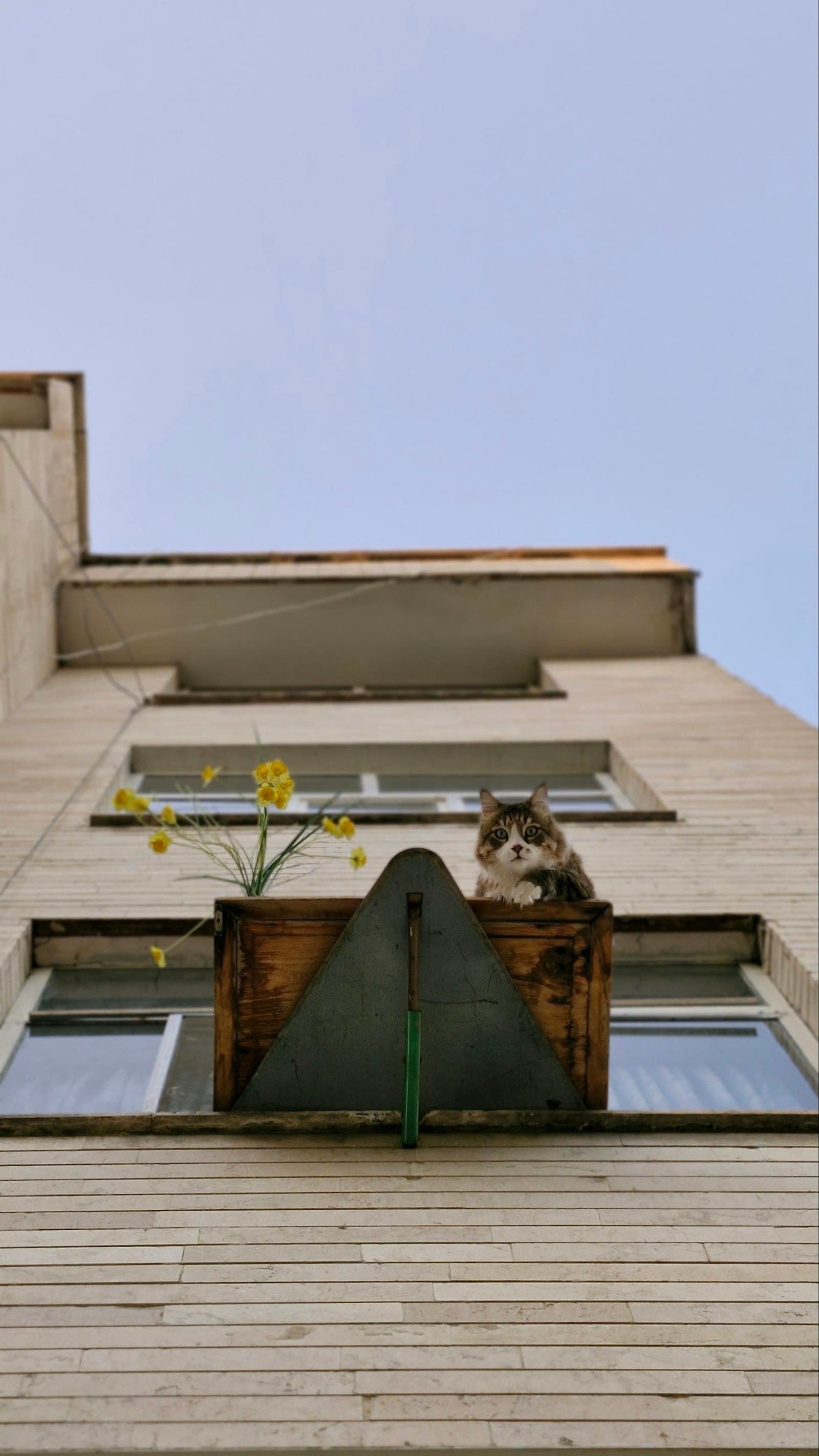
There is a stubborn myth that cats always land on their feet and never come to harm. It is false and it is dangerous. Vets even have a name for it: high-rise syndrome. A cat can misjudge a gap, chase a pigeon or a butterfly, slip on a wet railing, or bolt at a sudden noise (the firework rockets during local fiestas are a classic trigger round here). From the fourth, fifth or tenth floor, a fall is no near miss. It means fractures, a broken jaw, internal bleeding, and far too often it is fatal.
The cruellest part is that many of these cats had been sitting out on the balcony for months without a problem. The owner relaxes, decides their cat is the sensible type, and then it happens. None of this turns on how clever or calm your cat is. One flash of hunting instinct and they are over the edge in half a second.
What protection actually works
Not everything sold as cat protection is up to the job. These are the options we recommend, from the simplest to the most complete:
- Reinforced cat netting. This is the usual fix and the most reliable for an open balcony. Look for netting made specifically for cats, in UV-treated polyethylene, because the Costa Blanca sun destroys cheap plastic within a couple of summers. The mesh should be around 3 cm or smaller so a kitten cannot get its head through.
- Reinforced or anti-tear fly screen. Great for windows and for closing off small gaps. A standard fly screen will not do, because a cat shreds it with one swipe. Ask specifically for the reinforced version, sometimes sold as pet screen.
- Tensioned wire mesh or panels. The toughest and most discreet option, almost invisible from a distance. It costs more and is harder to fit, though it is what many people choose when they want something permanent and tidy.
- Glazing the terraza (acristalar). This turns the balcony into an enclosed gallery. It is the priciest route and almost always needs the comunidad's approval, but it solves the problem for good and adds usable floor space to the flat.
Whatever system you go for, check the fixings and the floor line carefully. A lot of accidents happen through a ten-centimetre gap nobody thought to look at, under the railing or in a corner. A cat will squeeze through anywhere its head fits.
The comunidad de propietarios question
This is the question we get asked most: can the building committee make me take the netting down? It depends on whether it affects the facade. Transparent netting fixed inside your own balcony, barely visible from the street, rarely causes any bother. What tends to clash with the rules is glazing the terraza or putting up structures that change how the building looks from outside, and that usually needs to be voted through at a meeting.
If you rent, this is easier than people fear. There are netting and screen systems that fit with tension rods or clip-in frames, with no drilling at all. They come off cleanly and leave no marks, so neither the landlord nor the comunidad has anything to object to. When you move, you take it with you. It is worth raising with the landlord first anyway, as most are quietly grateful: discreet netting also protects the cat and saves everyone a fright.
Keeping the terraza usable (and airy in summer)
Plenty of people assume that protecting the balcony means giving it up, and the opposite is true. A terraza with netting done properly becomes the best spot in the house for the cat: they can stretch out in the sun, watch the swifts go over and sniff the air while you get on with your day. And it is still your terraza.
In summer this weighs even more. July and August are brutal here, and a flat shut up tight turns into a dangerous oven for a cat. With the windows and balcony protected you can throw everything open and get a proper through-draught with no fear of an escape or a fall. Always put shade and fresh water out in the protected area, because a terraza floor at midday can scorch and cats do not always notice in time.
Why Cat's Club asks for this at every adoption
We are a small group of volunteers and we only rescue thanks to a network of foster homes. Every cat we bring through has weeks of care behind it: vet visits, neutering, a microchip, vaccinations and FIV and leukaemia testing. We rehome them as indoor cats precisely because we know what is out there: traffic, poison, fights, and yes, falls from balconies.
That is why protected windows and a protected balcony are non-negotiable for adopting with us. It is not red tape. It is the promise that the cat we worked so hard to save does not end up on the floor of an inner courtyard. If you are getting your home ready to adopt, do it beforehand and tell us; we are more than happy to help you work out which system suits your place.
For a specific question about your balcony, send us a photo and get in touch and we will tell you what we think. We have seen nearly everything: long urbanizacion terraces in l'Alfas del Pi, tiny balconies in the old town of La Vila, top-floor flats in Altea that catch the wind head-on. There is always a solution.
Frequently asked questions
Do cats really fall off balconies?+
Yes, far more than people realise. Vets call it high-rise syndrome. A cat can slip, misjudge a gap or launch itself at a bird, and a fall from a fourth floor causes serious fractures or death. A calm cat is no safer, because it only takes one burst of hunting instinct.
Will a normal fly screen keep my cat safe?+
No. A cat will shred an ordinary fly screen with one swipe. You need a reinforced or anti-tear screen (sometimes sold as pet screen) or, better still for an open balcony, proper reinforced cat netting.
Can my comunidad make me remove the netting?+
If the netting is transparent, fixed inside your own balcony and barely visible from the street, there is usually no issue. What tends to need committee approval is glazing the terraza or fitting structures that alter the building's facade.
I rent, are there options without drilling?+
Yes. There are netting and screen systems fitted with tension rods or clip-in frames, with no screws. They are fully removable, leave no marks and come with you when you move. It is worth mentioning it to the landlord first, but most are happy with it.
Why does Cat's Club require a protected balcony to adopt?+
Because we rehome cats as indoor animals and we know the dangers outside. Protected windows and balconies are a standing condition of adopting with us: it is what keeps the cat safe in its new home.
Every cat we rescue at Cat's Club depends on people willing to step up. If you are ready to adopt, sort your balcony first and message us: we have lovely cats waiting for a safe indoor home. And if adoption is not possible right now but this struck a chord, think about becoming a foster home or helping with a donation. Without foster homes there are no rescues, and every well-protected terraza is one more life that stays safe with us. Get in touch and we will help.