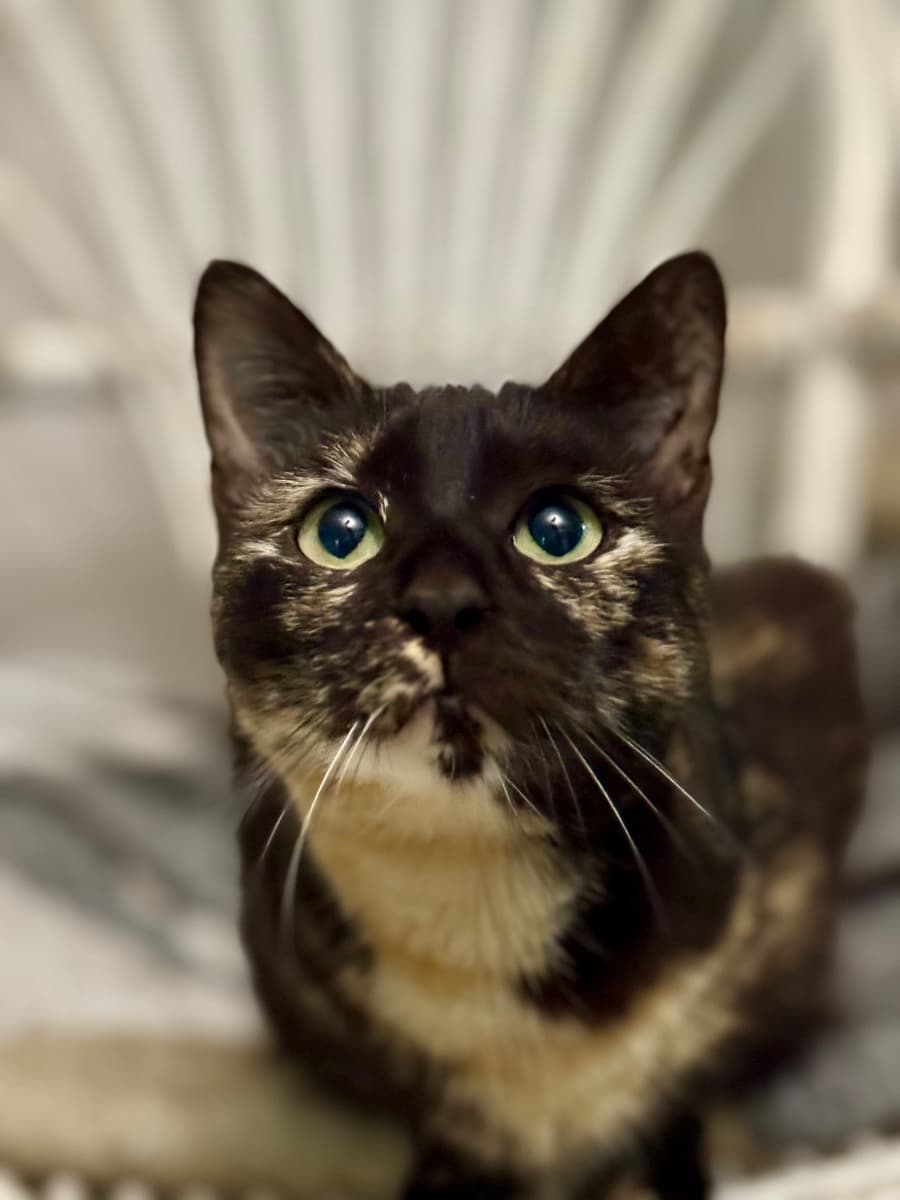
Life on the Costa Blanca has a lot going for it, plus a few things worth knowing about if you share a flat with a cat. At Cat's Club Benidorm we spend the summer dropping water at the colonies and reminding our foster families that there are bugs and plants down here you simply don't get in northern Europe. None of this is meant to scare you. It's so you can relax, knowing what to keep an eye on and how to head off the fright before it happens. This guide runs through the dangers that crop up around here, from Benidorm to l'Alfàs del Pi, Altea and Villajoyosa: leishmaniasis, the processionary caterpillar, ticks and the heat. We'll tell you what genuinely affects cats, without overdoing it, and what you can do today.
Leishmaniasis: what it is and how worried to be
Leishmaniasis is spread by the bite of a tiny sandfly, active here mainly from May to October, around dusk and through the night. It's endemic right across the Mediterranean, and in dogs it's a well-known, serious disease. In cats the picture is different. They can be infected, yes, but clinical cases are quite rare. The cat tends to shrug it off better, and plenty of infected cats never show a single symptom.
That said, it isn't impossible. A cat with a weakened immune system, an FIV-positive cat for example, is more likely to fall ill if it's infected. That's one reason we test for FIV and leukaemia before any cat is adopted out: knowing how their immune system is doing helps everyone care for them properly for life.
The signs in cats are nothing dramatic. Usually it's skin lesions that won't heal, often around the head and ears, the odd small lump, weight loss or swollen glands. Spot something like that, especially in a cat with access to a terrace or garden, and just mention it to your vet. A blood test confirms it, and there is treatment.
Cutting down the bites
- Keep your cat in at dusk and overnight, which is when the sandfly bites. Another good reason for keeping cats indoors.
- Fit fine-mesh screens on windows and terraces. Ordinary mosquito netting doesn't always stop the sandfly, which is tiny.
- Ask your vet about repellents that are safe for cats. This bit really matters: many dog parasite products contain permethrin, which is TOXIC and can kill a cat. Never put anything meant for dogs on your cat unless your vet says so.
- Steer clear of standing water and damp planting near the house at nightfall.
Processionary caterpillars: this one is a real emergency
If you take only one thing from this guide, make it this. The pine processionary caterpillar shows up between late winter and spring, usually February to April, though a mild winter can bring it earlier. They come down from the pines in single file, one behind the other, and end up on the ground in parks and pine-lined urbanisations all over the Marina Baixa: La Nucía, Finestrat, Polop, Altea.
Their hairs carry a very aggressive toxin. If your cat touches one, sniffs it, or has a swipe at it with a paw or mouth, things can turn very serious. Cats investigate out of pure curiosity, so the risk is real even though they tend to have less contact with them than dogs do.
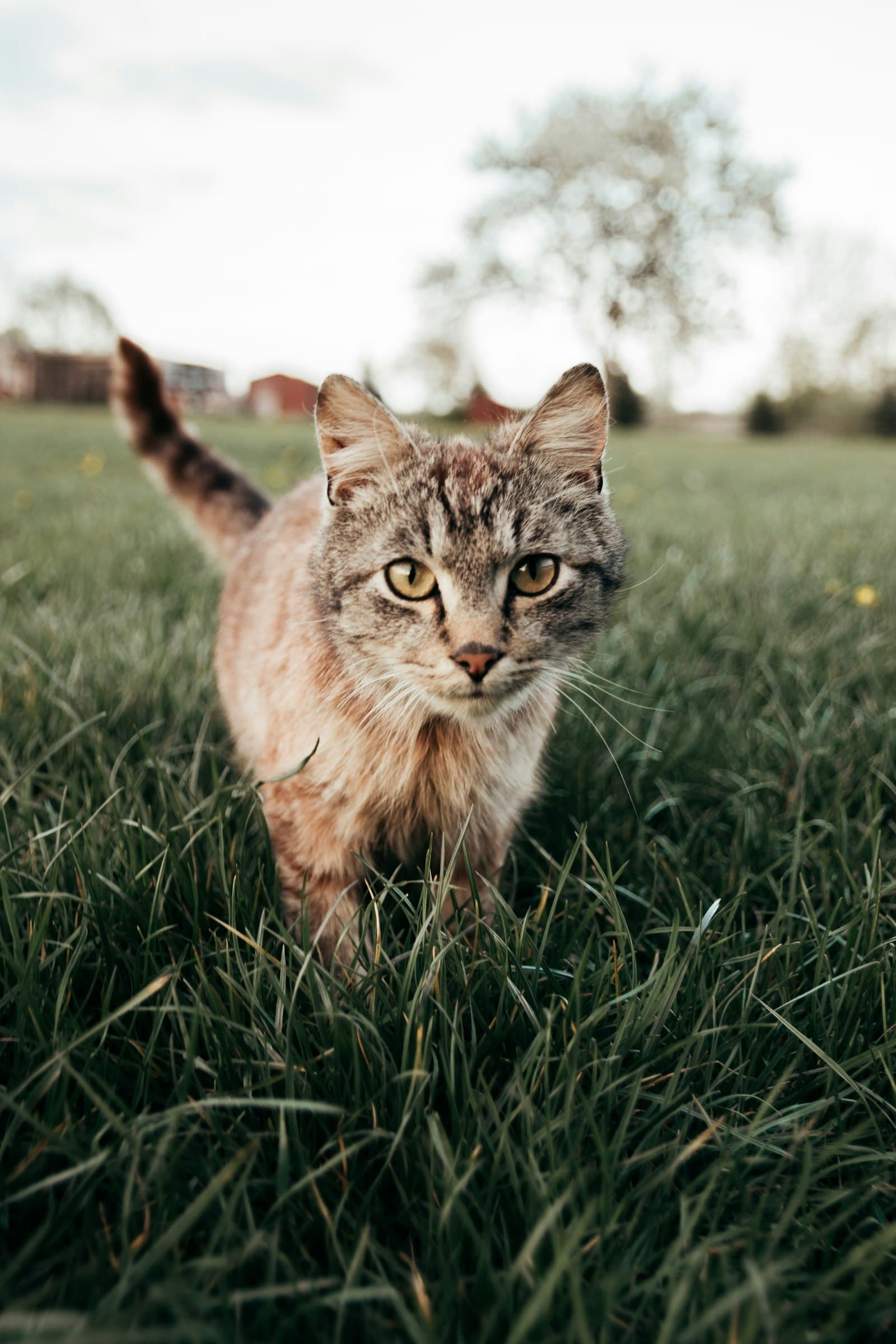
Signs your cat has touched one
- Sudden, heavy drooling, the mouth full of saliva.
- Pawing or rubbing frantically at the face and tongue.
- A swollen, red tongue or lips, sometimes patches that go dark.
- Refusing food and water, and very agitated.
What to do: get to the vet NOW, this is an emergency that won't wait. On the way, if you can and the cat lets you, rinse the mouth with plenty of lukewarm water, gently, never blasting or rubbing, and wear gloves because the hairs will irritate you too. Don't give food or any home remedies. The sooner a professional sees the cat, the better the outcome. In spring, if you live near pines, check the ground before you let your cat out onto a low terrace or into a garden.
Ticks, fleas and other parasites
The warm Costa Blanca climate means more parasites for more of the year than central or northern Europe. Ticks and fleas barely get a break here, and some carry disease. An indoor cat is far lower risk, though not zero: fleas hitch a ride in on shoes, and if you've a dog or a planted terrace, keep an eye out.
The good news is this is the easiest one to prevent. A year-round feline parasite routine, set up by your vet, sorts it out. Check your cat over now and then, especially ears, neck and tummy, and if you find a tick, remove it carefully or ask the clinic to do it properly.
Summer heat
It isn't a creature, but it kills more cats than anything else on this list. Summers here are long and brutal, and a flat with no shade or airflow turns into an oven. Heatstroke in cats is real: panting (a panting cat, like a dog, is an alarm bell), drooling, weakness. Always leave fresh water, shady spots and a cool floor to lie on, and never leave a cat in a car or a closed glassed-in balcony in the sun.
Which brings us to something we say constantly: we rehome cats as indoor cats and we ask for protection on windows and balconies, no exceptions. It isn't us being fussy. Cats fall from terraces, hurt themselves badly, and far too many die. The idea that they always land on their feet is a dangerous myth. A bit of netting, properly fitted, prevents most of our summer emergencies.
Frequently asked questions
Can cats catch leishmaniasis?+
Yes, but it's uncommon for them to actually fall ill. The sandfly that spreads it does bite cats, but the cat is a more resistant host than the dog and many infected cats never show symptoms. The risk rises in cats with a weak immune system, such as FIV-positive cats. Keeping them in at dusk and using fine-mesh screens cuts down the bites.
What do I do if my cat touches a processionary caterpillar?+
It's a veterinary emergency, so go to the clinic straight away. On the way, wearing gloves, you can rinse the mouth with plenty of lukewarm water without rubbing. Don't give food or home remedies. The toxin in the hairs is very aggressive and time really matters for the outcome.
When are processionary caterpillars around on the Costa Blanca?+
Usually from late winter into spring, mainly February to April, though a mild winter can bring them out earlier. They come down from the pines in a line along the ground, so in pine areas like La Nucía, Finestrat or Altea you'll want to watch the ground at that time of year.
Can I use my dog's flea and tick treatment on my cat?+
Not without your vet's go-ahead. Many dog parasite treatments contain permethrin, which is toxic to cats and can be fatal. Always use products formulated for cats and prescribed by a professional.
At Cat's Club we're a small group of volunteers, and everything we do depends on foster homes: without fosterers, there are no rescues. If you've read this far, it's because you care about cats, and that says a lot already. You could open your home as a foster, adopt a cat who's waiting, or help out with a donation towards the vet bills that go through the roof in summer. Get in touch and we'll work it out together. Donations: bank transfer ES37 0073 0100 5205 0621 5149, Bizum +34 659 04 14 71, Teaming at teaming.net/catsclubbenidorm, or PayPal to catsclubbeni@gmail.com.