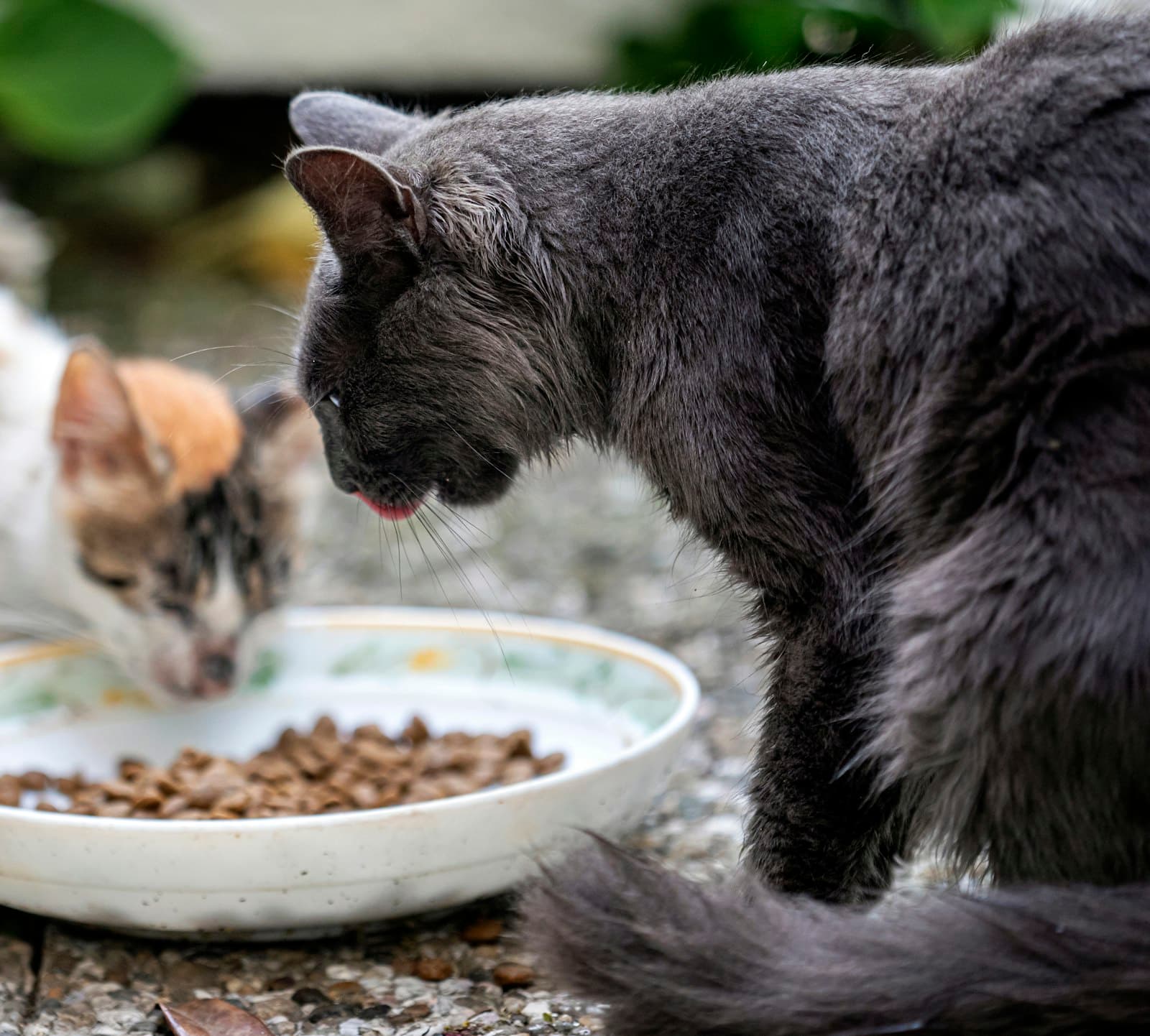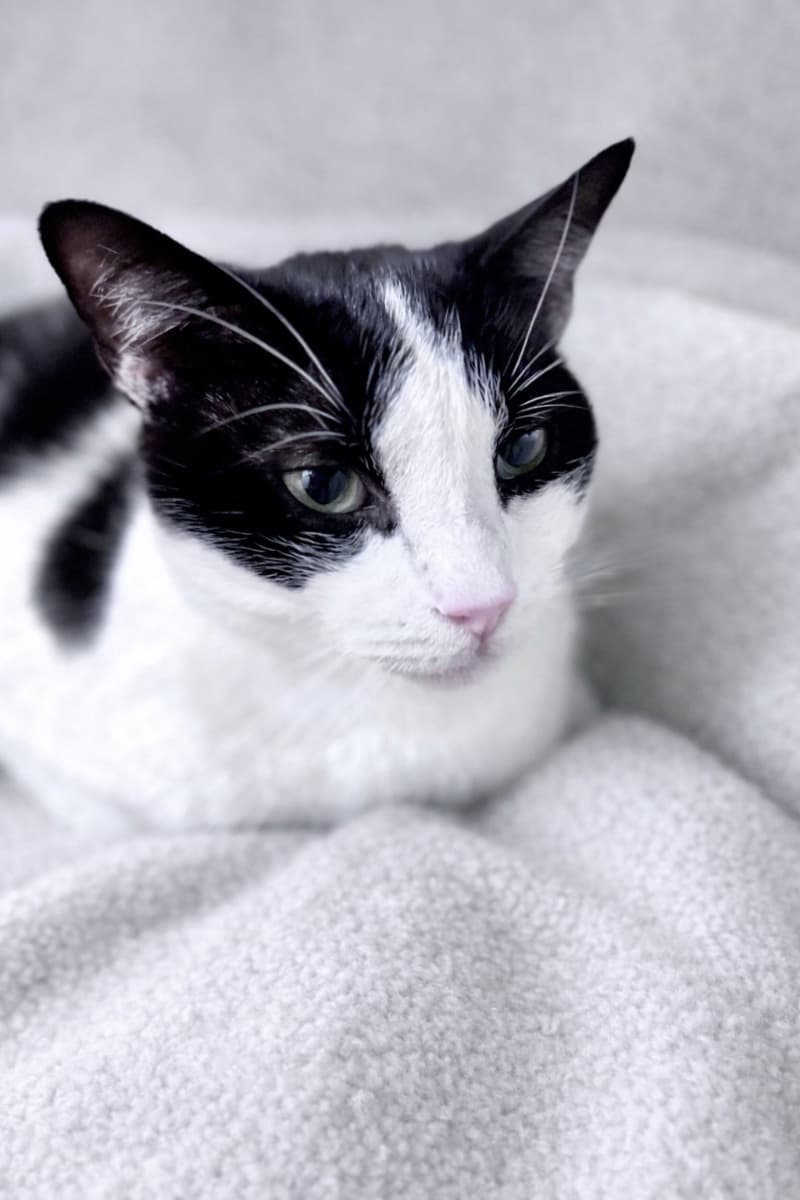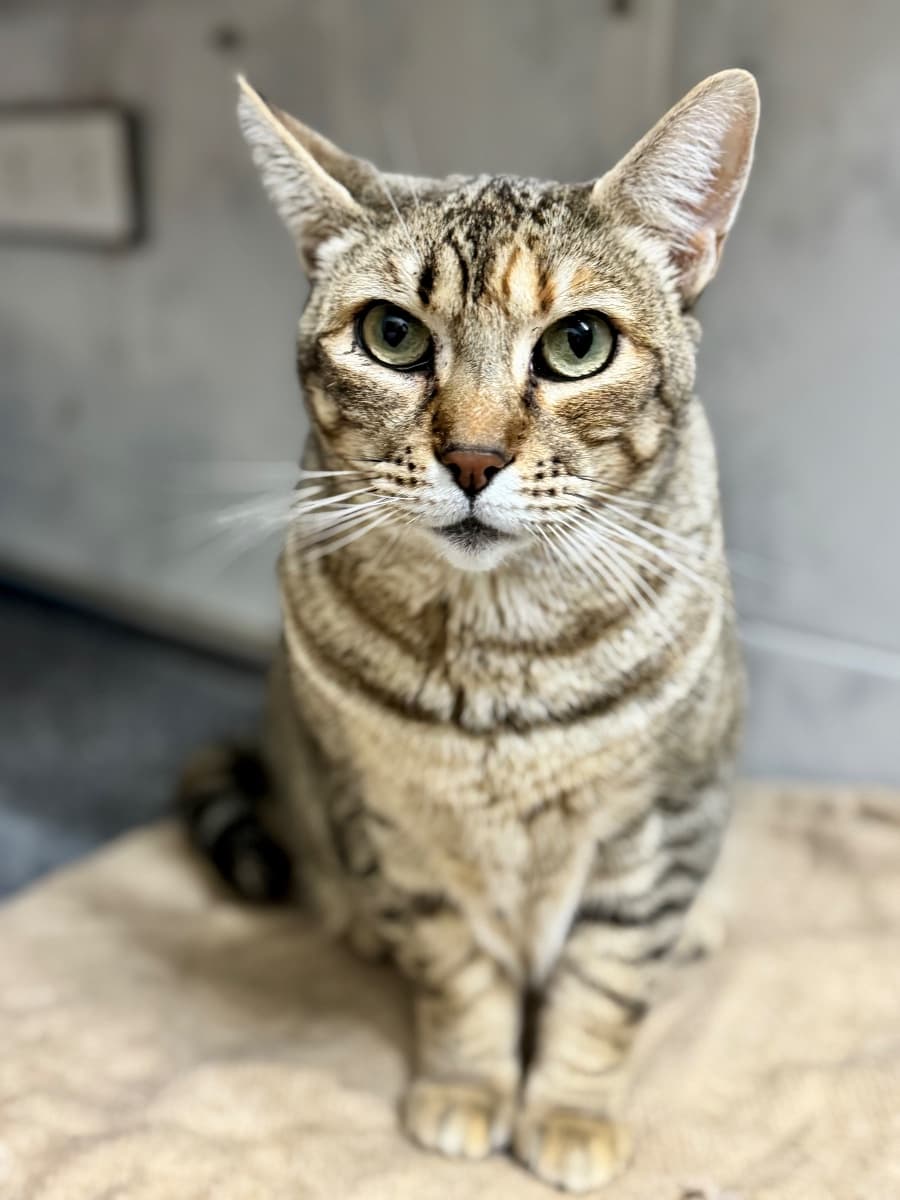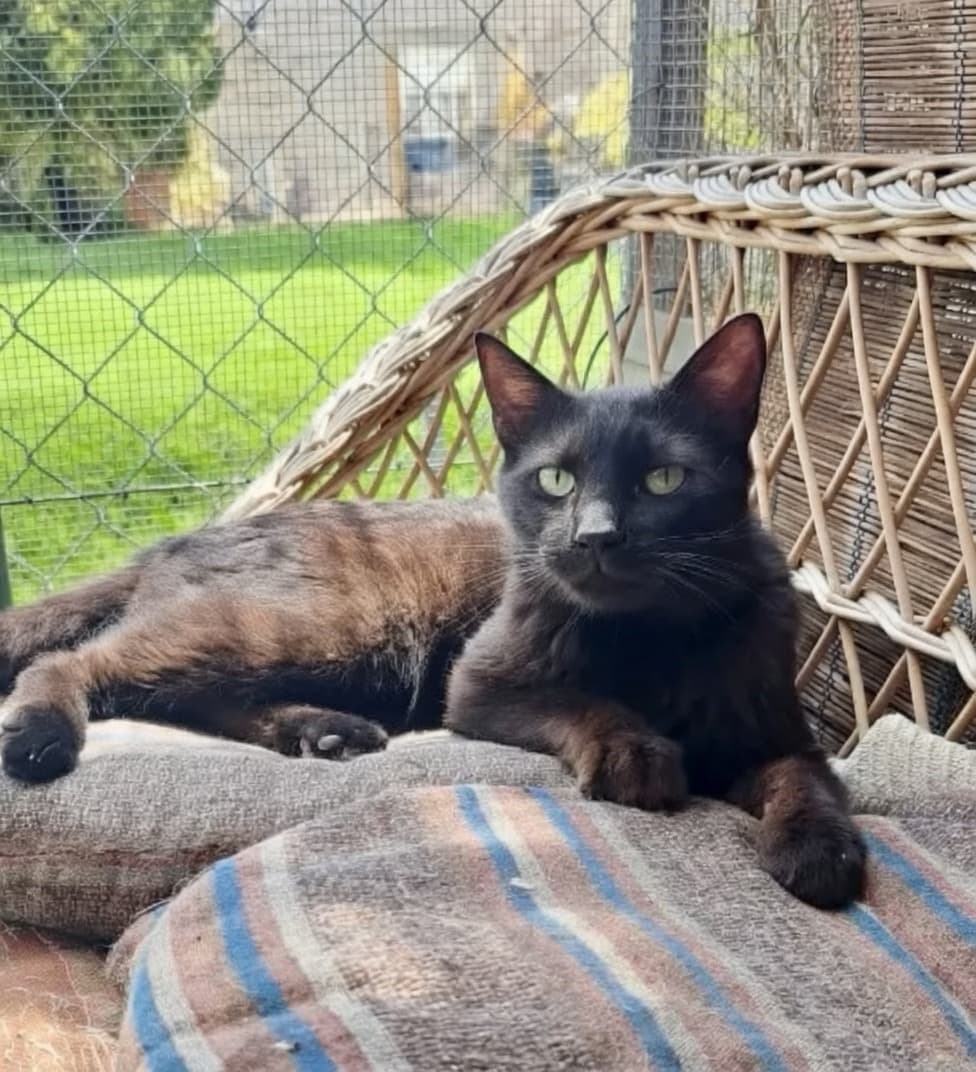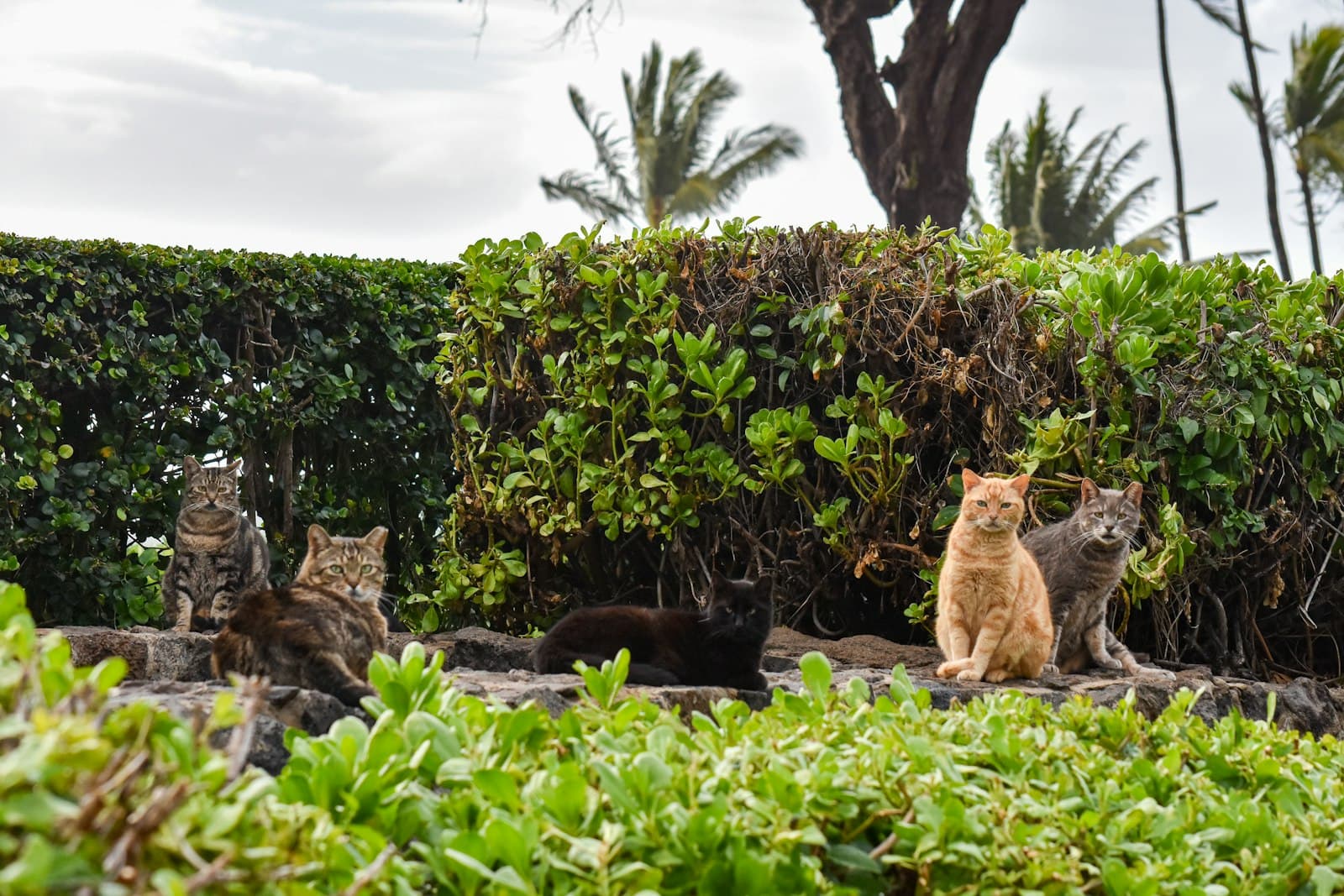
If you live anywhere around Benidorm or the Marina Baixa, you'll know the spot. The cats behind the bar, the ones near the bins in your urbanizacion, the pair that turn up on your terraza at dusk. People call them street cats, but plenty of them belong to something with a proper name and a proper method, a cat colony. We get asked all the time how to help these cats when adopting isn't an option, and it's one of our favourite questions, because there is so much you can do without ever taking a cat home.
Let's clear up one thing first, because we've learned it the hard way. Not every cat living outdoors wants or needs a home. Some are properly feral, born outside, and they'll never fully trust a person. For those cats the best place isn't a flat, it's their own colony, well looked after. That's exactly what TNR is for, or CER as Spanish law calls it: captura, esterilización, retorno. Trap, neuter, return. You'll also hear people say CES, which is the same thing.
What a managed colony actually is
A colony is a group of cats living and feeding in the same place. The gap between a colony left to fend for itself and a managed one is huge. A managed colony has people behind it, feeders who put down food and clean water at set times, clear away the leftovers so it doesn't draw rats or annoy the neighbours, keep an eye on the cats' health, and above all stop the endless litters.
Left alone, one pair of cats can become dozens within a couple of years. Managed properly, the colony settles. The cats are healthier, the 3am yowling stops, the fighting eases off, and the neighbours stop complaining. None of it is magic. It's graft and consistency from people who usually do it in their spare time and out of their own pocket.
CER / TNR: trap, neuter, return
In Spain the method is CER, which stands for captura, esterilización, retorno. That's the wording used in the law, though plenty of people still say CES. In English it's TNR: trap, neuter, return. Same thing. The cats are caught in safe humane traps, a vet neuters and checks them over, a small notch is made in one ear tip while they're already under anaesthetic, and then they go straight back to where they came from.
That last bit is the whole point. The cat returns to its own patch but can no longer breed. Over time the colony stops growing and slowly shrinks naturally. It's the only approach that genuinely works long term, and it's humane. No healthy cat is put down, and no cat is dumped somewhere new.
The ear notch can look a bit alarming at first. It's painless, done while the cat is already asleep for surgery, and it saves trapping the same poor animal over and over. So next time you spot a street cat with a neat little clip off one ear, you'll know that cat has been neutered and is being looked after.
TNR is recognised in Spanish law
This matters and a lot of people still don't realise it. Spain's animal welfare law, Ley 7/2023, in force since 29 September 2023, recognises the CER method as the official, humane way to manage feral cat colonies. The law makes clear that managing colonies falls to local councils, usually working with associations and volunteers, with the aim of controlling numbers without killing healthy cats.
In plain terms, feeding and neutering a colony the CER way is the kind thing to do and it's what the law actually backs. If you want to feed or manage a colony where you live, the sensible move is to contact your ayuntamiento or a local association so it's done properly and within the rules.
Why you should never move the cats
There's a common temptation, especially in urbanizaciones when somebody kicks up a fuss, to scoop the cats up and let them go out in the campo or in another barrio. Please don't. It almost always ends badly.
Colony cats are tied to their territory. They know where the water is, where the shade and shelter are during a brutal Costa Blanca summer, which dangers to dodge. Drop them somewhere unfamiliar and they're lost, with no resources, exposed to traffic, dogs and the cats who already hold that ground. Many simply don't survive. And it solves nothing anyway. Take a colony away but leave the food or shelter, and unneutered cats move in and start breeding all over again. It's called the vacuum effect. The answer isn't moving cats, it's neutering them and leaving them put.
How to help without adopting
Here's the good bit. Even if you can't adopt, you can do a great deal for the cats around you. These are the most useful ways:
- Feed responsibly: food and clean water at a discreet spot, at set times, always clearing the leftovers. A tidy colony bothers the neighbours far less and lasts much longer.
- Fund the neutering: the vet is the expensive part of TNR. Any donation, however small, pays directly for ops that stop unwanted litters.
- Volunteer: helping trap, ferrying cats to the vet, keeping an eye on a colony, or just spreading the word. We always need more hands.
- Report and coordinate: if you find a new colony or a pregnant, unneutered queen, tell a local association rather than going it alone. The sooner she's spayed, the fewer kittens end up on the street.
- Foster sociable kittens: the wary adults stay in the colony, but kittens born outside can often be socialised and rehomed, and that takes foster homes.
That's how Cat's Club works, as a network, between volunteers and foster homes. We don't have a building full of cages, we have people. Every colony kept in check, every neutering paid for and every kitten fostered is shared work, which is why any help at all genuinely counts.
Frequently asked questions
What does TNR mean for cats?+
TNR stands for trap, neuter, return. Feral cats are caught in humane traps, a vet neuters and checks them, then they're returned to their original spot already sterilised. In Spain it's called CER (captura, esterilización, retorno), and Ley 7/2023 recognises it as the humane way to manage colonies.
Is it legal to feed a cat colony in Spain?+
Yes. Ley 7/2023 recognises managed feral colonies. The best approach is to coordinate with your local council (ayuntamiento) or an association so the colony is neutered and registered, and always feed responsibly by clearing up the leftovers.
Why shouldn't you relocate feral cats?+
Because the cats are bonded to their territory, and moving them leaves them lost and in danger, with many not surviving. If food or shelter is left behind, new cats move in and breed (the vacuum effect). The right approach is to neuter and leave them where they are.
What is the ear notch on a street cat?+
It's a small V-shaped clip off one ear tip, made while the cat is under anaesthetic for neutering. It lets everyone see at a glance that the cat is already sterilised and cared for, so it doesn't get needlessly trapped again.
How can I help street cats in Spain without adopting?+
You can feed responsibly, donate towards neutering, volunteer, report new colonies, or foster sociable kittens. All of these make a real difference without taking a cat home.
If this has struck a chord and you'd like to lend a hand with the colonies around Benidorm and the Marina Baixa, get in touch. And if adopting isn't on the cards but you'd like to keep the neutering going, a donation by bank transfer (ES37 0073 0100 5205 0621 5149), Bizum (+34 659 04 14 71) or Teaming goes straight towards the next operation. No foster homes and no help means no rescues. It really is that simple.